Why Headless CMS Development Is Gaining Traction in Dubai
- Dubai’s Digital Demands Have Changed
- What Makes Headless CMS Different
- Performance Expectations Are Driving Adoption
- The Need for Multi-Channel Content Delivery
- UX Freedom Without Backend Constraints
- Scalability and Future-Proofing
- Why Enterprises and Growing Brands Are Leading the Shift
- The Trade-Offs: Why Headless Isn’t for Everyone
- Choosing the Right Partner Is Critical
- Conclusion
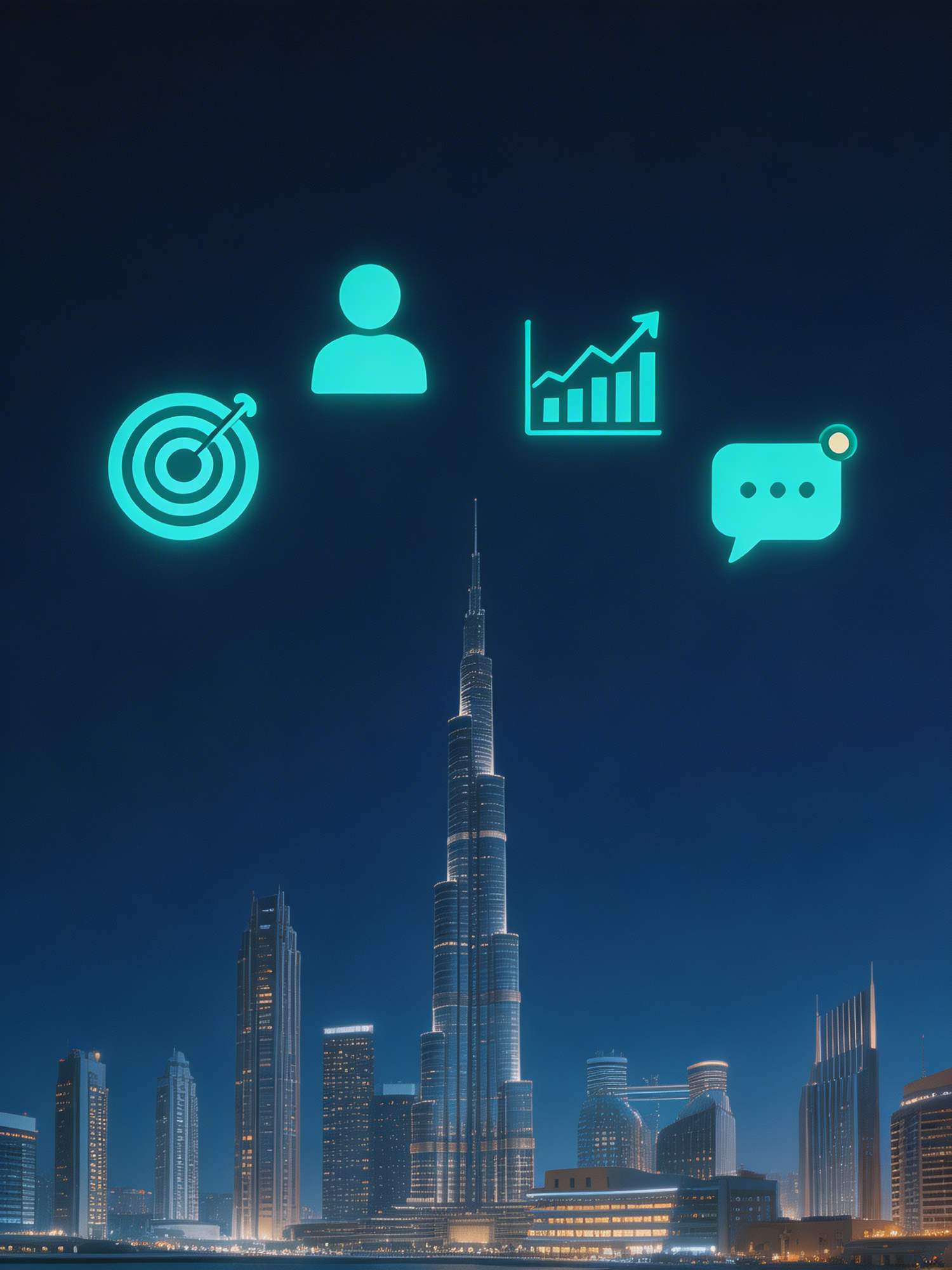
Dubai’s digital ecosystem has entered a new phase. Websites are no longer isolated destinations—they are part of a broader network of touchpoints that includes mobile apps, ecommerce platforms, kiosks, portals, and third-party integrations. As businesses expand across channels and geographies, traditional content management systems are increasingly struggling to keep up.
This shift is driving growing interest in headless CMS development. Across industries such as real estate, fintech, ecommerce, hospitality, and SaaS, Dubai-based organisations are adopting headless architectures to gain flexibility, performance, and long-term scalability. The move isn’t about following trends—it’s about solving real operational and experience challenges.
Dubai’s Digital Demands Have Changed
Dubai businesses operate in a fast-moving, highly competitive environment. Campaigns launch quickly, messaging evolves often, and user expectations are shaped by global digital leaders. Content must be updated frequently and delivered consistently across platforms without delays.
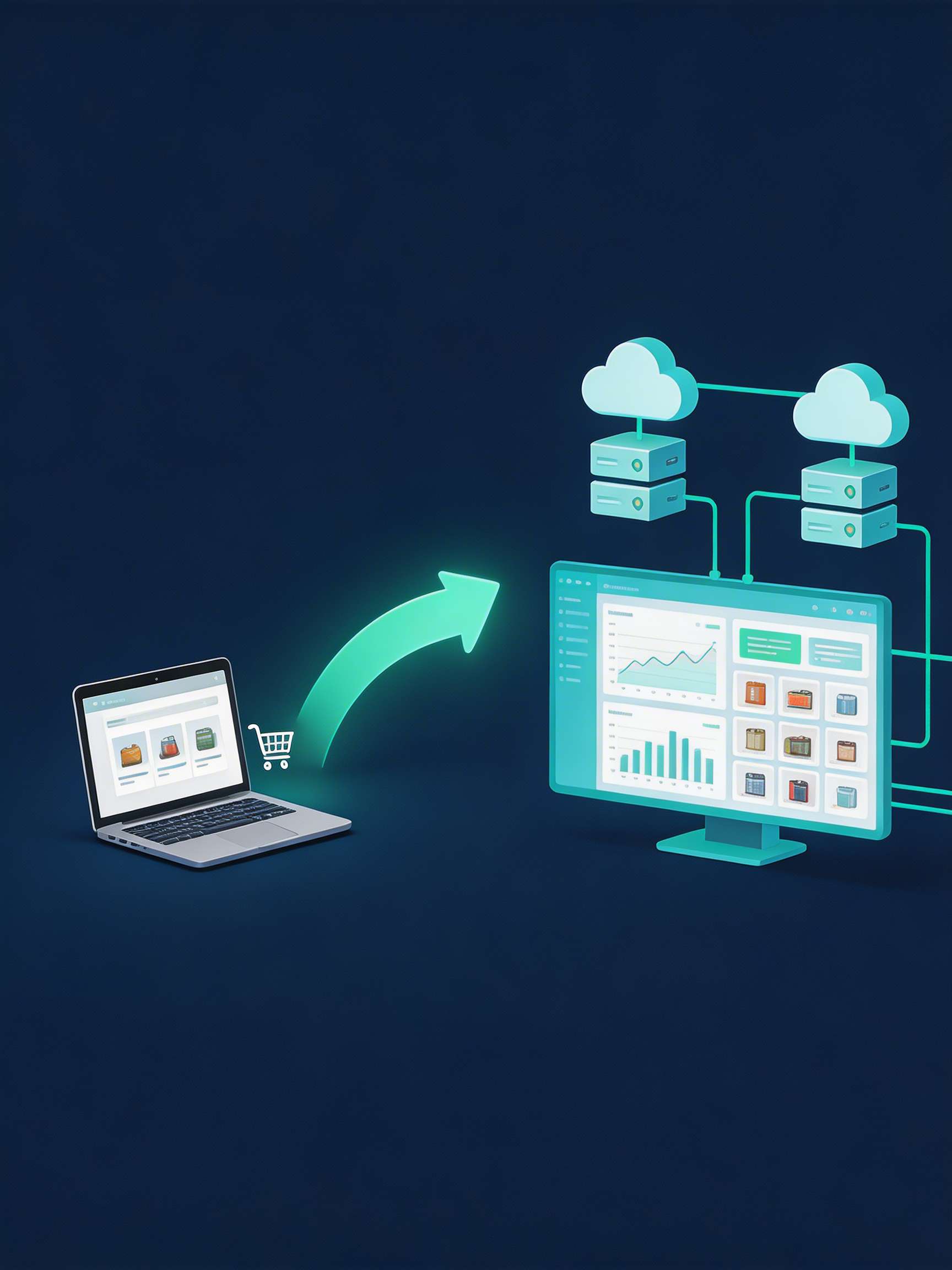
Traditional CMS platforms, which tightly couple content with presentation, can become bottlenecks in this environment. Simple changes often require developer involvement, and extending content to new channels can mean duplicating effort or rebuilding systems.
Headless CMS development addresses these challenges by decoupling content from the frontend, allowing businesses to move faster without sacrificing control.
What Makes Headless CMS Different
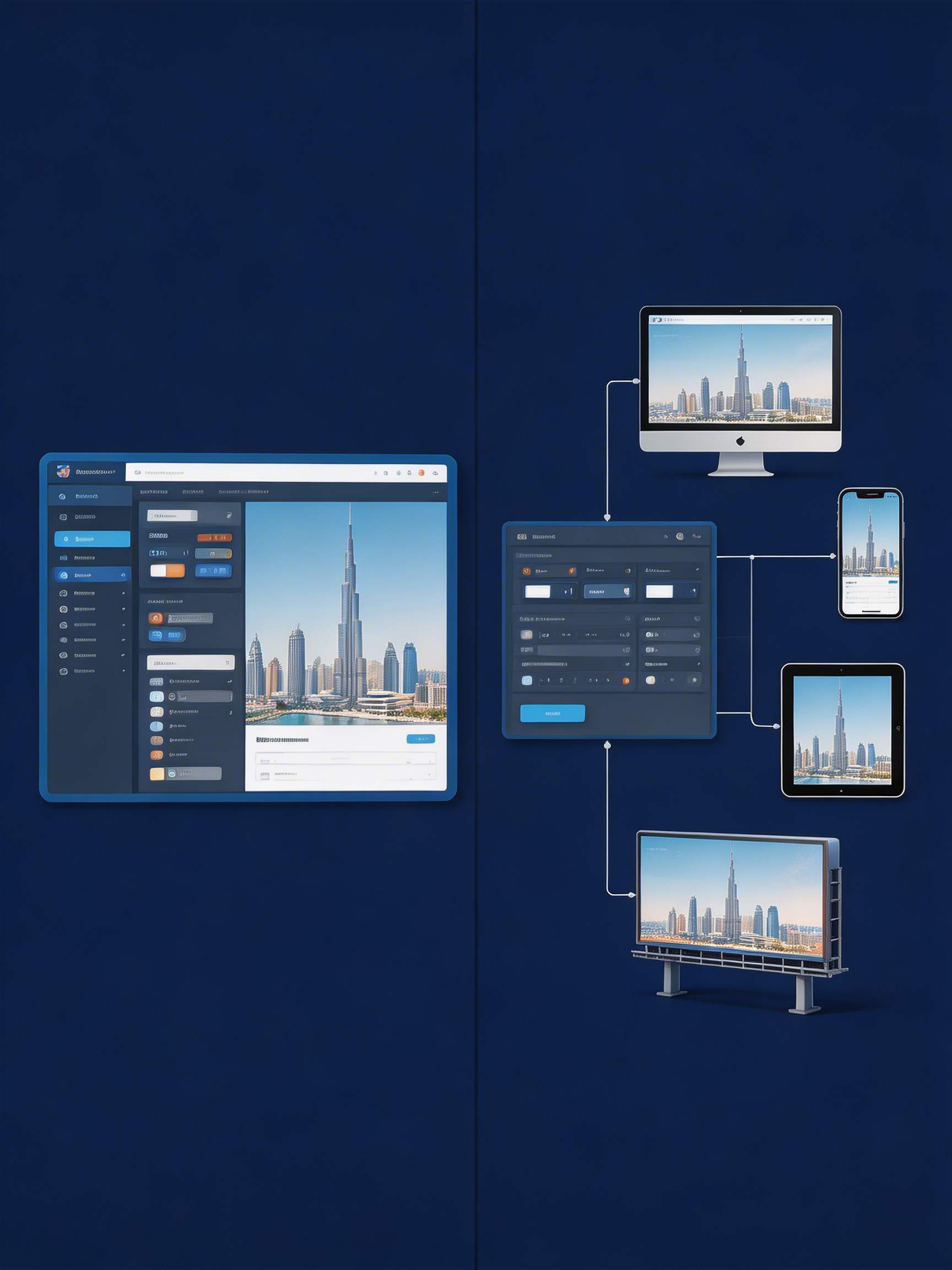
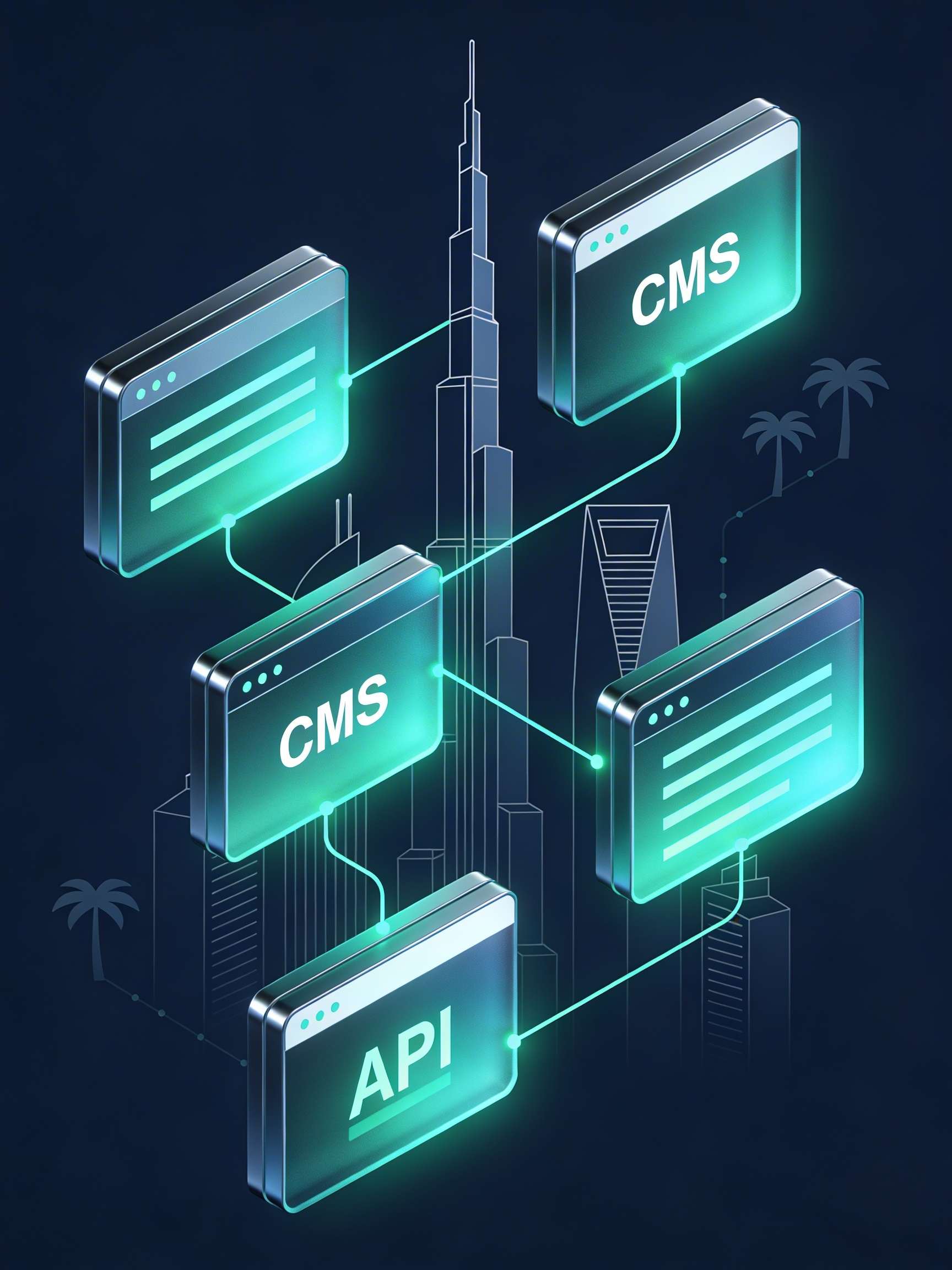
In a headless CMS, content is created and managed in a central backend and delivered via APIs to any frontend—websites, mobile apps, ecommerce storefronts, or custom interfaces. The “head” (presentation layer) is removed from the CMS, giving teams freedom to design and build frontends independently.
This separation enables:
- Faster frontend innovation
- Centralised content management
- Consistent content across channels
- Cleaner integrations with modern tech stacks
For Dubai businesses with multi-channel ambitions, this architectural shift is increasingly attractive.
Performance Expectations Are Driving Adoption
Performance is a major factor behind the rise of headless CMS in Dubai. Users expect fast-loading, responsive digital experiences—especially on mobile. Search engines reward speed, and even small delays can impact engagement and conversion.
Headless architectures allow developers to use modern frontend frameworks optimised for performance, while the CMS focuses purely on content delivery. This often results in:
- Faster page loads
- Improved Core Web Vitals
- Better SEO outcomes
- Smoother user interactions
In competitive digital markets, these gains translate directly into business value.
The Need for Multi-Channel Content Delivery
Many Dubai businesses are no longer publishing content to a single website. The same content may need to appear on:
- Corporate websites
- Mobile applications
- E-commerce platforms
- Partner portals
- Digital displays or kiosks
Managing this with a traditional CMS often leads to duplication and inconsistency. Headless CMS development allows content to be created once and distributed everywhere, ensuring accuracy and efficiency.
This capability is especially valuable for enterprises and fast-scaling brands operating across regions and platforms.
UX Freedom Without Backend Constraints
User experience has become a key differentiator in Dubai’s digital landscape. Brands invest heavily in polished, premium UX to stand out. Traditional CMS platforms can restrict design and interaction choices due to theme limitations or plugin dependencies.
Headless CMS removes these constraints. Frontend teams are free to design experiences without being limited by backend structures. This results in:
- Custom, brand-led UX
- Faster iteration on design changes
- Better alignment between design and performance
- More control over accessibility and responsiveness
For UX-driven organisations, this freedom is a compelling reason to go headless.
Scalability and Future-Proofing
Dubai businesses often plan for rapid growth—new markets, new products, new platforms. Headless CMS supports this growth by acting as a flexible content backbone rather than a single-purpose system.
As businesses scale, headless CMS allows:
- New frontends to be added without rebuilding content
- Independent scaling of frontend and backend
- Easier integration with e-commerce, CRM, and marketing tools
- Adoption of new technologies without CMS migration
This future-ready architecture reduces the need for disruptive rebuilds every few years.
Why Enterprises and Growing Brands Are Leading the Shift
While startups may still opt for traditional CMS platforms for simplicity, larger organisations and ambitious brands are driving headless adoption in Dubai. These businesses often have:
- Complex content requirements
- Multiple teams and platforms
- High performance expectations
- Long-term digital roadmaps
For them, the upfront investment in headless CMS development is justified by long-term flexibility, efficiency, and control.
The Trade-Offs: Why Headless Isn’t for Everyone
Despite its advantages, headless CMS development introduces complexity. It requires thoughtful architecture, experienced teams, and clear content models. Without these, projects can become overengineered.
Considerations include:
- Higher initial development effort
- Need for frontend development expertise
- More planning around content structure
- Fewer out-of-the-box features compared to traditional CMS
For small websites or simple publishing needs, a traditional CMS may still be the more practical choice. Headless delivers the most value when scale and flexibility truly matter.
Choosing the Right Partner Is Critical
The rise of headless CMS in Dubai is also increasing the importance of choosing the right development partner. Headless projects are as much about strategy as technology.
A capable partner will:
- Assess whether headless is the right fit
- Design scalable content models
- Align CMS architecture with business goals
- Ensure performance, security, and SEO best practices
- Support long-term evolution, not just launch
Without this strategic layer, headless implementations risk becoming difficult to maintain.
Conclusion
Headless CMS development is gaining traction in Dubai because it aligns with how modern businesses operate—fast, multi-channel, and experience-driven. By decoupling content from presentation, organisations gain the flexibility to scale, innovate, and deliver high-performance digital experiences across platforms.
However, headless is not a shortcut. It’s a strategic choice that delivers the greatest value when implemented for the right reasons and with the right expertise.
If you’re exploring headless CMS development and want to understand whether it fits your business goals and digital roadmap, Inneraktive helps Dubai businesses evaluate requirements, design scalable architectures, and implement headless CMS solutions that support long-term growth. Get in touch with Inneraktive to move forward with clarity and confidence.
Not sure where to start?
Like what you see?
Take a look at our case studies and other projects we’ve done at Inneraktive
Book your MVP call