Ecommerce Website Development in Dubai: What You Need to Know
Dubai has rapidly emerged as one of the Middle East’s most influential e-commerce markets. With a digitally savvy population, high purchasing power, and strong government support for online business, the UAE continues to attract both local entrepreneurs and global brands. Whether you’re launching a new ecommerce venture or upgrading an existing store, building the right website is crucial for success in a market where convenience, speed, and customer experience define competitive advantage.
But e-commerce development in Dubai requires more than choosing a template and adding products. Businesses must consider technical performance, user behaviour, regulations, payment integrations, logistics, and long-term scalability. Understanding these elements helps ensure your e-commerce platform not only looks great but also drives consistent revenue.
The Rise of E-commerce in Dubai
The UAE’s e-commerce growth has outpaced many global markets over the last few years. Consumer expectations have changed dramatically, with users demanding fast checkout experiences, diverse payment options, reliable delivery, and mobile-first interfaces. Dubai’s multicultural population also means businesses must design for a wide range of languages, preferences, and shopping behaviours.
At the same time, competition has intensified. From niche boutiques to large marketplaces, new brands are moving online every month. As a result, a well-developed ecommerce website is no longer optional – it’s essential to standing out and capturing customer trust.
Key Components of a High-Performing E-Commerce Website
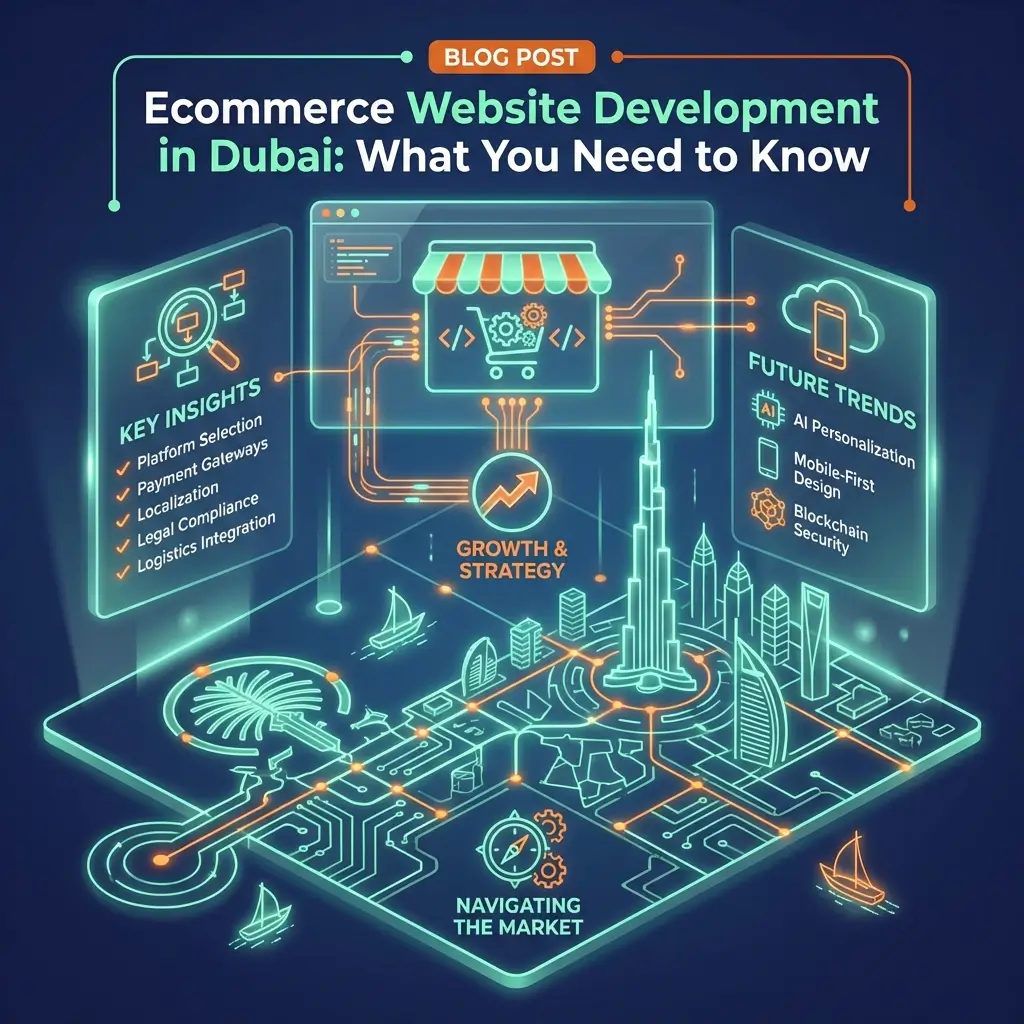
Before building your e-commerce platform, it’s important to understand the elements that contribute to a seamless shopping experience. Successful e-commerce websites in Dubai typically prioritise:
- Mobile-first design to accommodate the region’s high smartphone usage
- Fast loading speeds, essential for conversions and SEO
- Intuitive navigation that helps users find products quickly
- Multiple secure payment methods, including cards, Apple Pay, Google Pay, and BNPL solutions
- Smooth checkout flows with minimal friction
- Reliable inventory and order management
- Integration with logistics partners for delivery tracking
- Multi-language and multi-currency support, especially Arabic and English
These features create a strong foundation and ensure your platform meets the expectations of Dubai’s diverse and digitally mature audience.
Choosing the Right Platform for Your E-commerce Store
Selecting the development platform is one of the most important decisions you’ll make. It determines your website’s speed, scalability, flexibility, and long-term maintenance costs. Dubai businesses commonly choose between:
Shopify
Ideal for startups and small to mid-sized businesses seeking fast deployment.
- Easy to manage
- Wide theme and app ecosystem
- Strong security and built-in hosting
WooCommerce
Best for brands that want more control and flexibility.
- Open-source and highly customisable
- Excellent SEO capabilities
- Ideal for content-driven ecommerce
Magento / Adobe Commerce
Used by enterprises with complex requirements.
- High scalability
- Advanced product management
- Multi-store and multi-language capabilities
Custom Development (Headless Ecommerce)
Perfect for businesses that want complete freedom in design and functionality.
- Highly scalable
- Omnichannel support
- Seamless backend integrations
The right development partner will help assess your goals, growth plans, and technical needs before recommending a platform.
Understanding E-commerce Costs in Dubai
E-commerce development costs vary depending on features, integrations, design complexity, and the size of your product catalogue. While every project is unique, most businesses in Dubai fall within these ranges:
Basic e-commerce website: AED 15,000–40,000
Mid-level ecommerce with custom UX / integrations: AED 40,000–120,000
Advanced e-commerce with automation, logistics integrations, and custom dashboards: AED 120,000–300,000+
Costs are influenced by:
- UI/UX complexity
- Payment gateway integrations
- Order management workflows
- Inventory structure
- Real-time tracking requirements
- Multi-language support
- Platform or hosting selection
- Marketing and SEO setup
Investing in a scalable, high-performance foundation reduces long-term redevelopment costs and improves conversion rates.
What Makes Dubai’s E-commerce Market Unique?
Dubai is not a typical e-commerce market. Several factors make development here more specialised:
- High user expectations for speed, design, and service
- Wide adoption of premium payment options such as Apple Pay
- Demand for instant delivery and real-time tracking
- Bilingual audience, requiring English and Arabic support
- Regulatory requirements for data handling and consumer protection
- The rise of BNPL (Buy Now, Pay Later) options like Tabby and Tamara
An e-commerce store must be tailored to these regional behaviours to succeed.
Common Mistakes to Avoid in E-commerce Development
Many businesses rush into development without a clear strategy, resulting in cost overruns or disappointing performance. Some of the most common mistakes include:
- Launching without proper market research or competitor analysis
- Choosing a platform that doesn’t align with long-term growth
- Ignoring mobile optimisation
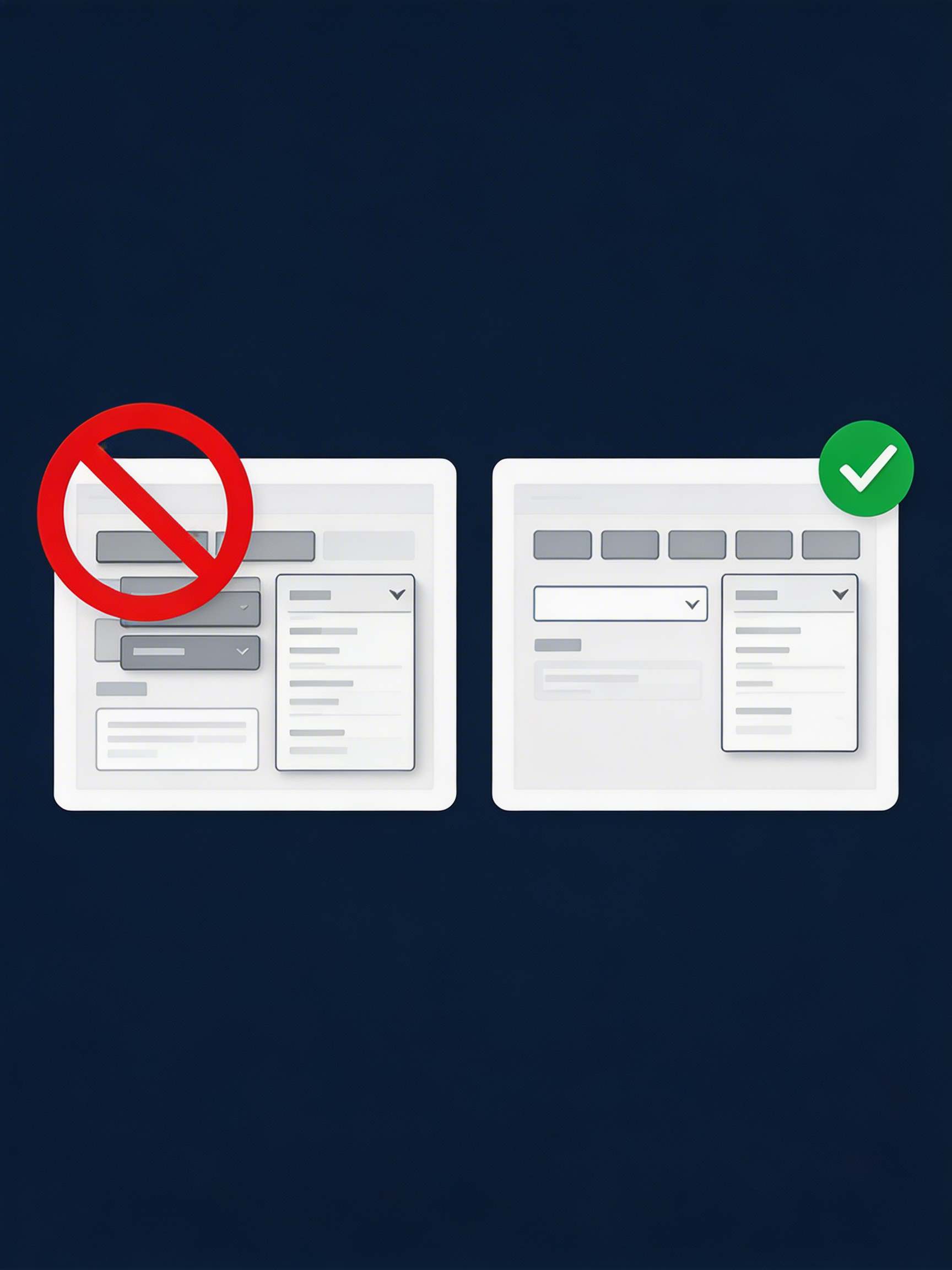
- Overcomplicating the checkout process
- Weak SEO foundations
- Poor product categorisation or navigation
- No strategy for abandoned carts
- Limited shipping and payment options
Avoiding these mistakes ensures your e-commerce platform launches smoothly and is equipped to scale.
Conclusion
The e-commerce opportunity in Dubai is enormous, but standing out requires careful planning, a strong development strategy, and an understanding of what local users expect. A successful online store is not defined by design alone — it’s shaped by performance, user experience, secure transactions, and robust backend systems. When these elements work together, your ecommerce platform becomes a powerful engine for growth in a market full of potential.
If you’re planning to build or upgrade an e-commerce website in Dubai, connect with our team to explore how we can develop a high-performing, scalable solution tailored to your business goals.
Not sure where to start?
Like what you see?
Take a look at our case studies and other projects we’ve done at Inneraktive
Book your MVP call