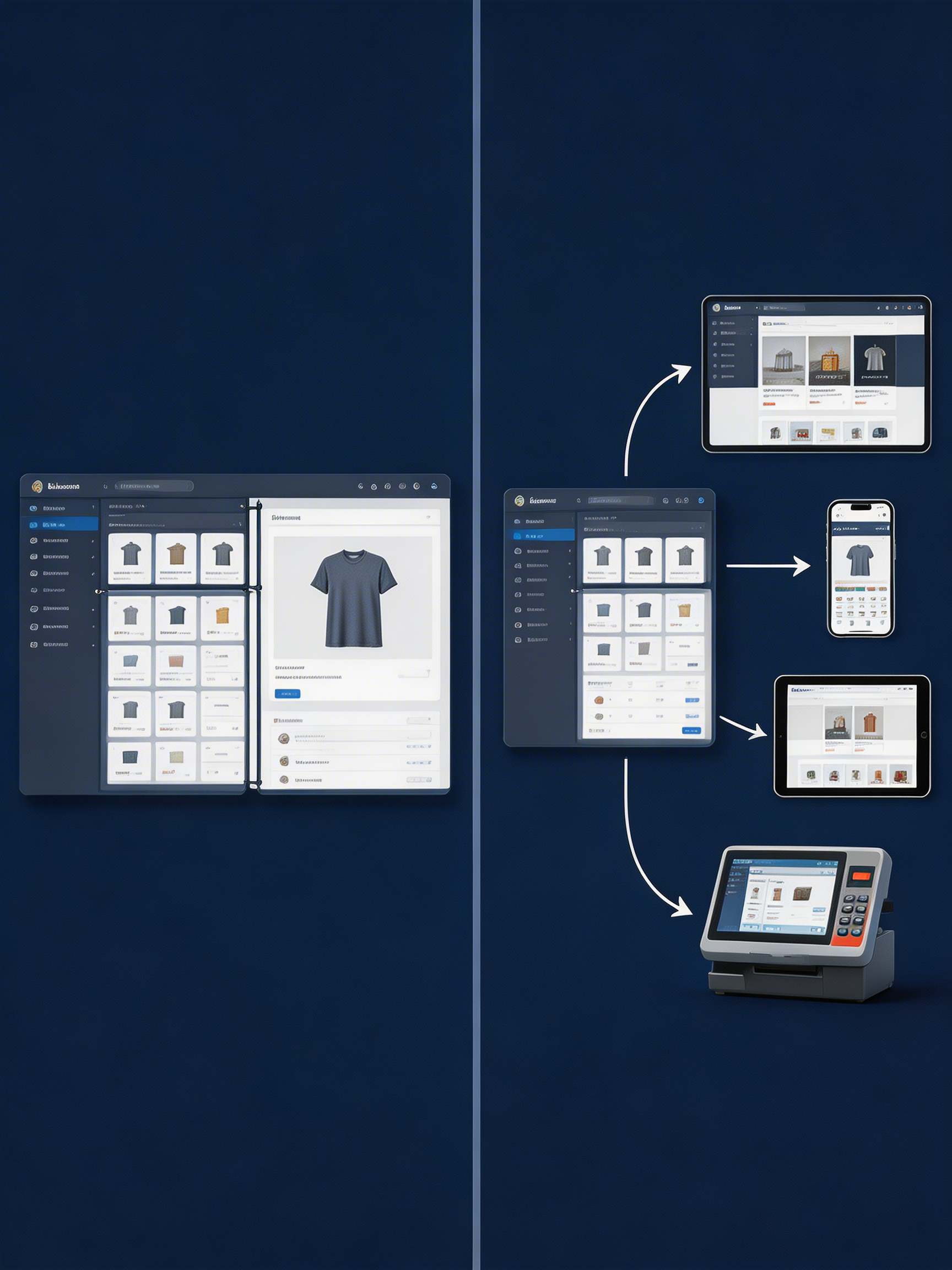
Platform Selection for Scalable E-commerce: Headless vs Traditional CMS
As e-commerce businesses grow, platform decisions become increasingly strategic. What works at launch may not support expansion into new markets, higher traffic volumes, complex integrations, or advanced customer experiences. One of the most important architectural decisions growing ecommerce brands face is whether to build on a traditional CMS or adopt a headless approach.
Both models can power successful e-commerce platforms. However, the right choice depends on growth trajectory, operational complexity, and long-term scalability goals. For businesses planning beyond the startup phase, understanding the structural differences between headless and traditional CMS architecture is essential.
Understanding the Core Difference
A traditional CMS combines content management and frontend presentation within a single system. The backend, templates, themes, and database are tightly connected. This structure makes it easier to launch quickly because everything is packaged together.
A headless CMS separates the content layer from the presentation layer. Content is stored and managed in the backend, but it is delivered via APIs to any frontend — website, mobile app, kiosk, or third-party interface. This separation provides greater flexibility but requires more technical planning.
At early stages, the simplicity of traditional CMS platforms can be attractive. However, as e-commerce operations scale, structural limitations may appear.
Traditional CMS: Strengths and Limitations
Traditional CMS platforms are popular because they offer simplicity and fast deployment. They typically include built-in ecommerce functionality, theme-based design systems, and plugin ecosystems that extend features.
For startups or small e-commerce operations, this approach works well. The platform handles hosting, templates, and product management in a unified system. Teams can manage content and products without deep technical involvement.
However, as complexity increases, tightly coupled systems can become restrictive. Customising checkout flows, integrating advanced backend systems, or scaling performance under heavy traffic can require workarounds. Plugin dependencies may introduce performance issues or maintenance challenges.
Traditional CMS platforms are ideal when requirements are standardised and growth is steady. They become more challenging when businesses demand deeper customisation and multi-system orchestration.
Headless CMS: Flexibility and Performance
Headless architecture introduces a more modular approach. By separating content management from frontend delivery, businesses gain full control over how digital experiences are built and scaled.
This structure allows development teams to use modern frontend frameworks optimised for performance and user experience. Content can be delivered consistently across web, mobile, and other digital channels without duplication.
For e-commerce businesses planning rapid growth, headless architecture offers clear advantages. It supports custom checkout experiences, advanced integrations, and seamless scalability. Because the frontend and backend are decoupled, changes to one do not disrupt the other.
However, headless systems require stronger technical planning. They are not plug-and-play solutions. Development investment and architectural expertise are necessary to implement effectively.
Performance Considerations at Scale
Scalability often becomes the deciding factor between headless and traditional systems.
Traditional CMS platforms can perform well under moderate traffic, but performance optimisation may depend on plugins, caching tools, or infrastructure adjustments. As traffic increases, tightly coupled systems may struggle to maintain speed and stability.
Headless architecture, when properly implemented, is typically more performance-oriented. Frontend applications can be optimised independently, hosted on high-performance infrastructure, and scaled dynamically. This separation reduces bottlenecks.
For e-commerce businesses expecting significant traffic growth, performance planning should be part of platform selection — not a reaction to performance failures later.
Integration and Ecosystem Flexibility
Growing ecommerce operations rely on multiple systems. Payment gateways, CRM platforms, marketing automation tools, logistics software, and ERP systems must communicate efficiently.
Traditional CMS platforms often support integrations through plugins or third-party extensions. While convenient, this approach can introduce compatibility risks or maintenance challenges.
Headless architecture relies on API-driven integration. This creates cleaner, more flexible system connections. Businesses can replace or upgrade individual components without restructuring the entire platform.
As e-commerce businesses move toward enterprise maturity, integration flexibility becomes increasingly valuable.
Content Management and Marketing Agility
Marketing teams require agility. Launching landing pages, updating product descriptions, managing campaigns, and personalising experiences must happen quickly.
Traditional CMS platforms are often user-friendly for content editors. Their visual editing tools and structured dashboards support non-technical teams effectively.
Headless CMS platforms also support content management, but editorial workflows may require more structured planning. Modern headless solutions increasingly provide intuitive interfaces, but frontend flexibility remains their primary strength.
Businesses must evaluate whether marketing simplicity or technical flexibility is the higher priority at their current growth stage.
Cost and Resource Planning
Traditional CMS solutions generally require lower upfront development investment. They are often more affordable to launch.
Headless architecture typically requires a higher initial investment due to custom frontend development and system planning. However, long-term scalability and reduced migration risk may offset early costs.
Mid-market and enterprise ecommerce brands should consider the total cost of ownership over multiple years rather than comparing launch budgets alone.
Choosing Based on Growth Stage
Platform selection should align with business maturity.
Traditional CMS platforms are often suitable when:
- Product catalogues are manageable
- Traffic growth is predictable
- Integrations are limited
- Rapid launch is the priority
Headless architecture becomes advantageous when:
- Multi-channel experiences are required
- High traffic scalability is expected
- Advanced integrations are necessary
- Custom customer journeys differentiate the brand
There is no universally superior choice. The right platform depends on growth ambition and operational complexity.
Strategic Planning Prevents Future Migration
One of the most expensive ecommerce mistakes is rebuilding too late. Platform migration under revenue pressure introduces risk and disruption.
Strategic platform selection reduces the likelihood of forced migration. By aligning architecture with long-term business vision, companies avoid reactive transitions that interrupt growth.
Platform decisions should reflect where the business intends to be — not just where it is today.
Architecting for Long-Term Ecommerce Success
Selecting between headless and traditional CMS is not merely a technical choice. It is a strategic investment decision that influences scalability, flexibility, and competitive positioning.
Businesses that anticipate complexity and expansion benefit from architectural foresight. Those who prioritise short-term simplicity without evaluating growth implications may face constraints later.
Scalable ecommerce requires infrastructure designed for expansion, not just launch.
Build the Right Foundation for Growth
If you are evaluating platform options for a scalable ecommerce strategy, Inneraktive works with growth-focused businesses to assess architectural requirements, integration complexity, and long-term scalability goals. Our team helps organisations choose and implement ecommerce platforms that align with expansion plans — from structured CMS systems to advanced headless architectures.
Connect with Inneraktive to design an e-commerce platform built for performance, flexibility, and enterprise-scale growth.