Headless CMS Development Services in Dubai: When and Why to Go Headless
As digital experiences become more complex and multi-channel, the way businesses manage content is changing. Websites are no longer the only touchpoint. Brands now publish content across mobile apps, ecommerce platforms, landing pages, kiosks, and third-party integrations—often simultaneously. In this environment, traditional content management systems can feel restrictive.
This is why headless CMS development is gaining traction among Dubai businesses that prioritise flexibility, performance, and scalability. While headless architecture isn’t the right fit for every organisation, it offers significant advantages when content needs to move fast and reach multiple platforms without friction.
What Does “Headless CMS” Actually Mean?
In a traditional CMS, the backend (where content is created and managed) is tightly coupled with the frontend (where content is displayed). Templates, themes, and presentation logic are baked into the system. This works well for simple websites, but it becomes limiting as digital ecosystems grow.
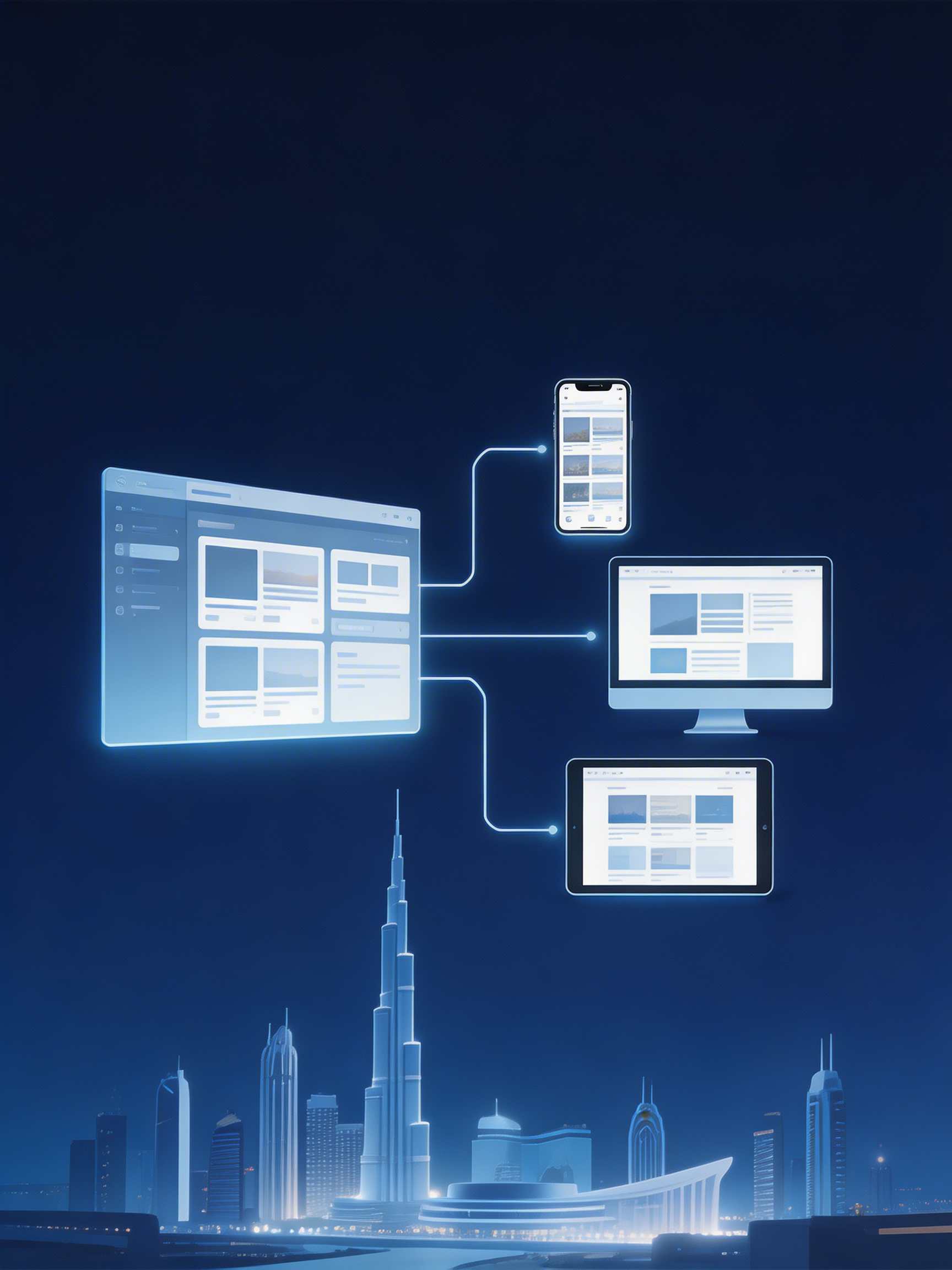
A headless CMS separates content management from presentation. Content lives in a backend repository and is delivered via APIs to any frontend—websites, mobile apps, ecommerce platforms, or custom interfaces.
This separation gives businesses the freedom to design and build frontends independently while managing content centrally.
Why Dubai Businesses Are Exploring Headless CMS
Dubai’s digital landscape is fast-moving and highly competitive. Businesses are expected to launch quickly, adapt messaging frequently, and maintain premium user experiences across devices. Traditional CMS platforms often struggle to support this pace without heavy customisation.
Headless CMS development appeals to Dubai businesses because it enables:
- Faster front-end innovation without backend constraints
- Content reuse across multiple platforms
- Improved performance and scalability
- Cleaner integration with modern tech stacks
For organisations with ambitious digital roadmaps, headless architecture offers long-term flexibility rather than short-term convenience.
When a Headless CMS Makes Sense
Headless CMS is not a universal solution. It delivers the most value when content complexity and distribution requirements justify the architectural shift.
A headless approach is particularly effective when:
- Content needs to be published across multiple channels
- Websites and apps share the same content source
- UX requirements demand full front-end freedom
- Performance and speed are critical
- The business anticipates frequent changes or expansion
In Dubai, this often applies to enterprises, growing e-commerce brands, SaaS platforms, real estate portals, and content-heavy organisations with strong marketing demands.
Performance and Speed Advantages
One of the most compelling reasons businesses go headless is performance. Since the frontend is decoupled, developers can use modern frameworks optimised for speed and scalability.
Headless CMS setups typically result in:
- Faster page load times
- Better Core Web Vitals scores
- Improved SEO performance
- Smoother user interactions
For Dubai businesses targeting high-value keywords or running performance-driven campaigns, these gains can directly impact visibility and conversions.
UX Freedom Without Backend Limitations
Traditional CMS platforms often force design decisions around themes, templates, or plugin compatibility. Headless CMS removes these constraints entirely.
With a headless setup:
- Designers are free to craft bespoke UX
- Frontend teams can use the best tools for the job
- Layouts and interactions are not tied to CMS limitations
- UX can evolve without restructuring content systems
This is particularly valuable in markets like Dubai, where users expect premium, polished digital experiences that reflect global standards.
Scalability and Future-Proofing
Dubai businesses often scale quickly—new markets, new platforms, new user segments. A headless CMS supports this growth by acting as a central content hub rather than a single-purpose website engine.
As businesses expand, a headless CMS allows:
- New frontends to be added without content duplication
- Seamless integration with e-commerce, CRM, and marketing tools
- Independent scaling of frontend and backend systems
- Easier adoption of new technologies
Instead of rebuilding content systems every few years, businesses can extend their digital ecosystem incrementally.
The Trade-Offs: Why Headless Isn’t for Everyone
Despite its advantages, headless CMS development introduces complexity. It requires thoughtful planning, technical expertise, and clear content governance.
Common considerations include:
- Higher initial development effort
- Need for frontend development expertise
- More responsibility around architecture decisions
- Less “out-of-the-box” convenience compared to traditional CMS
For small businesses or simple brochure websites, a traditional CMS may still be the more practical choice. Headless CMS delivers the greatest ROI when flexibility and scale truly matter.
Headless CMS and E-commerce in Dubai
Headless architecture is increasingly popular in e-commerce, where content, commerce, and experience must work together seamlessly. By decoupling content from checkout logic, businesses can create faster, more engaging storefronts while retaining robust backend operations.
This approach supports:
- Custom product storytelling
- Faster promotional updates
- Personalised content across touchpoints
- Omnichannel commerce experiences
For e-commerce brands in Dubai aiming to differentiate through experience rather than price alone, headless CMS can be a powerful enabler.
Choosing the Right Development Partner
Technology alone doesn’t guarantee success. Headless CMS development requires a partner who understands architecture, UX, performance, and long-term scalability—not just APIs.
The right partner will:
- Assess whether headless is truly the right fit
- Design a scalable, maintainable architecture
- Align content models with business goals
- Ensure performance, security, and SEO best practices
- Support long-term evolution, not just launch
Without this strategic layer, headless projects risk becoming overengineered and difficult to maintain.
Conclusion
Headless CMS development offers Dubai businesses the flexibility, performance, and scalability required to compete in a multi-platform digital world. When implemented for the right reasons, it empowers teams to deliver faster experiences, stronger UX, and future-ready content systems. However, it’s not a one-size-fits-all solution. The decision to go headless should be guided by business complexity, growth plans, and technical readiness.
If you’re evaluating whether a headless CMS is the right move for your digital strategy, Inneraktive helps Dubai businesses assess requirements, design scalable architectures, and implement headless CMS solutions that support long-term growth. Get in touch with Inneraktive to explore when—and why—going headless makes sense for your organisation.