01
Research & goals
We talk to your users, map how they move through the product, and agree the number the design has to move.
UI/UX Design Services · Dubai
Plenty of products look sharp in a mockup and still lose people in real use. Users hunt for the one button that matters, drop out halfway through a signup, or bounce off a screen that made sense in a workshop but not on a phone at 11pm. We start with how your users behave, then design the flows and interfaces that get them to the outcome with less friction. Every decision ties back to a number you care about.





The short answer
UI/UX design services in Dubai cover the research, flows, interface design and testing that get a user to their goal with less friction, and we agree the number the work has to move before it starts.
The short version
2024 / THEHEALING
We talk to your users and map how they move through the product, pinning down where they get stuck before anyone opens a design tool. That way the design solves a real problem you can name.
We lay out the structure in low-fidelity wireframes, then turn them into clickable prototypes you can put in front of real users. You see the product working before a line of code gets written.
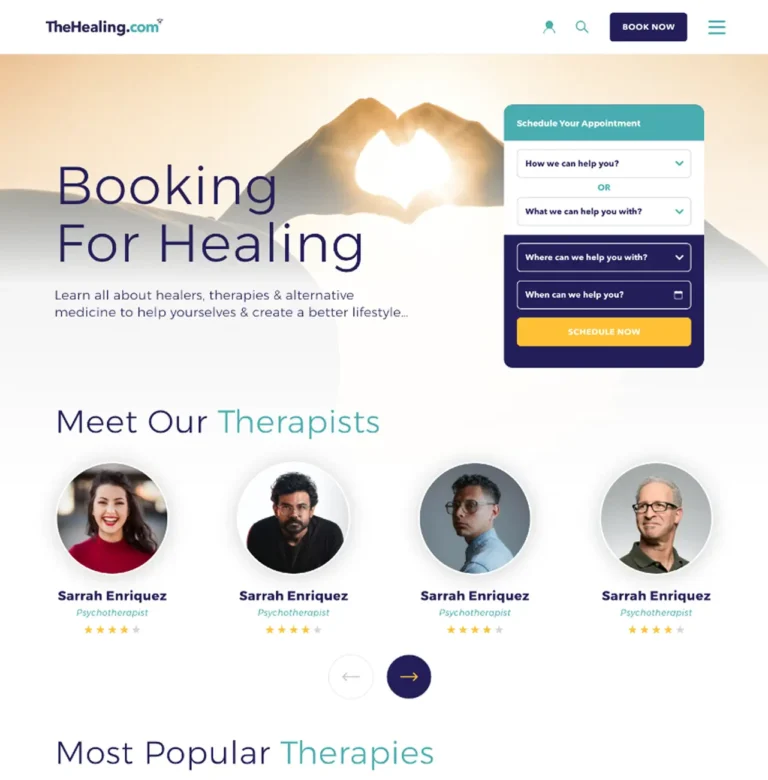
We design the visual layer down to the last state, then package it as a reusable design system your developers can build straight from. New screens stay consistent without you redrawing them each time.
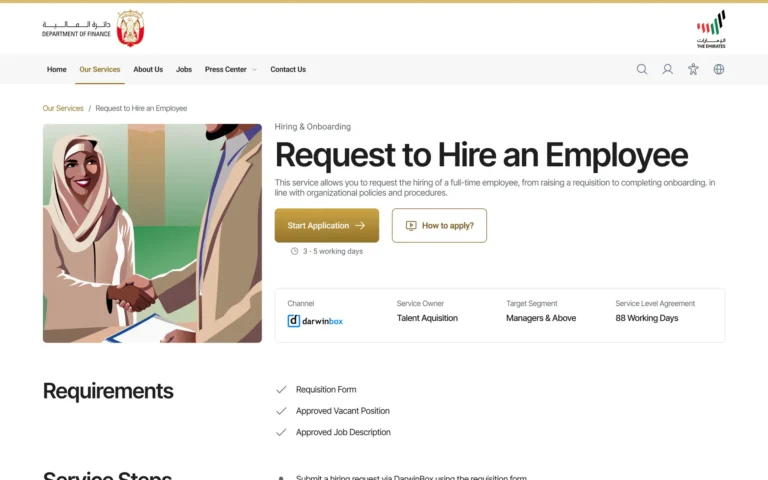
We run moderated and remote tests, watch where people hesitate, and feed what we learn straight back into the design. The product gets sharper each round as the evidence comes in.
How we work
We talk to your users, map how they move through the product, and agree the number the design has to move.
Low-fidelity structure first, so the flow is right before anyone worries about how it looks.
A clickable prototype in front of real users, so you see the product working before code gets written.
High-fidelity screens down to the last state, packaged as a component library with accessibility built in.
Dev-ready files in Figma, then testing after launch to keep sharpening what trips people up.
Why inneraktive
We agree the number before the first screen, then design against it.
Interviews, journey maps and heuristic audits, so the design solves a problem you can name.
Moderated and remote sessions that show where people hesitate, then fixes that follow the evidence.
Components, tokens and states your developers build from, so new screens stay consistent.
WCAG built in, so the product works for everyone instead of being patched later.
Task completion, drop-off and conversion tracked against the goal we set at the start.
Dev-ready specs, components and tokens your team can build from.
Component libraries with states, documentation and version control.
Moderated sessions, remote tests, A/B and preference testing.
Behaviour data feeding a prioritised backlog of fixes.
Most agencies sell you a design. We sell you the result it produces. Here's the difference in practice.
Deliverable
Research
Accessibility
Design system
Success metric
After handoff
How much do UI/UX design services cost in Dubai?
UI/UX design services in Dubai typically run from around AED 15,000 for a focused UX or UI project to AED 80,000+ for end-to-end product design with research, a full design system, and usability testing. The price comes down to how many screens and flows are involved, whether you need research and testing, and how much of the work is a fresh design versus a redesign. After a short discovery call you get a fixed scope and quote up front.
What's the difference between UX and UI design?
UX is how a product works; UI is how it looks and feels to use. UX covers the research, flows, and structure that get someone to their goal, while UI covers the visual design, typography, and interaction detail layered on top. Strong products need both, so we handle them together rather than in silos. We break the distinction down further in The Difference Between UX & UI Design.
How long does a UI/UX design project take?
Most UI/UX projects take 4 to 10 weeks. A focused UI refresh or a single flow can be done in 2 to 4 weeks, while full product design with research, a design system, and usability testing usually runs 8 to 10 weeks. You get a week-by-week timeline before we start.
Does your design work include a design system and developer handoff?
Yes. Every end-to-end project ships with a reusable design system: components, design tokens, interaction states, and documentation your developers can build from directly. We hand off in Figma with dev-ready specs and stay available through the build, so nothing gets lost in translation between design and code.
How do you measure whether the design is working?
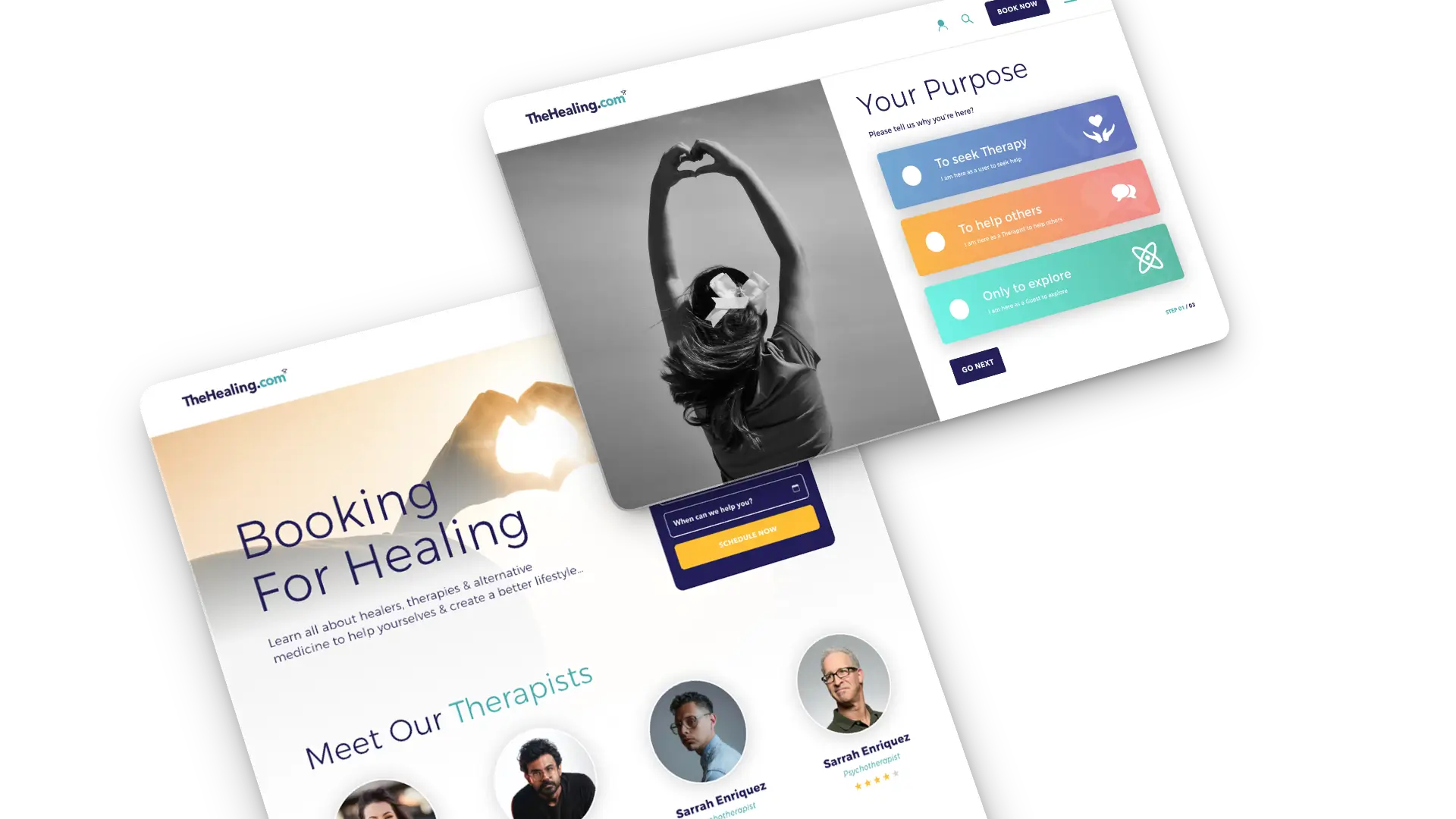
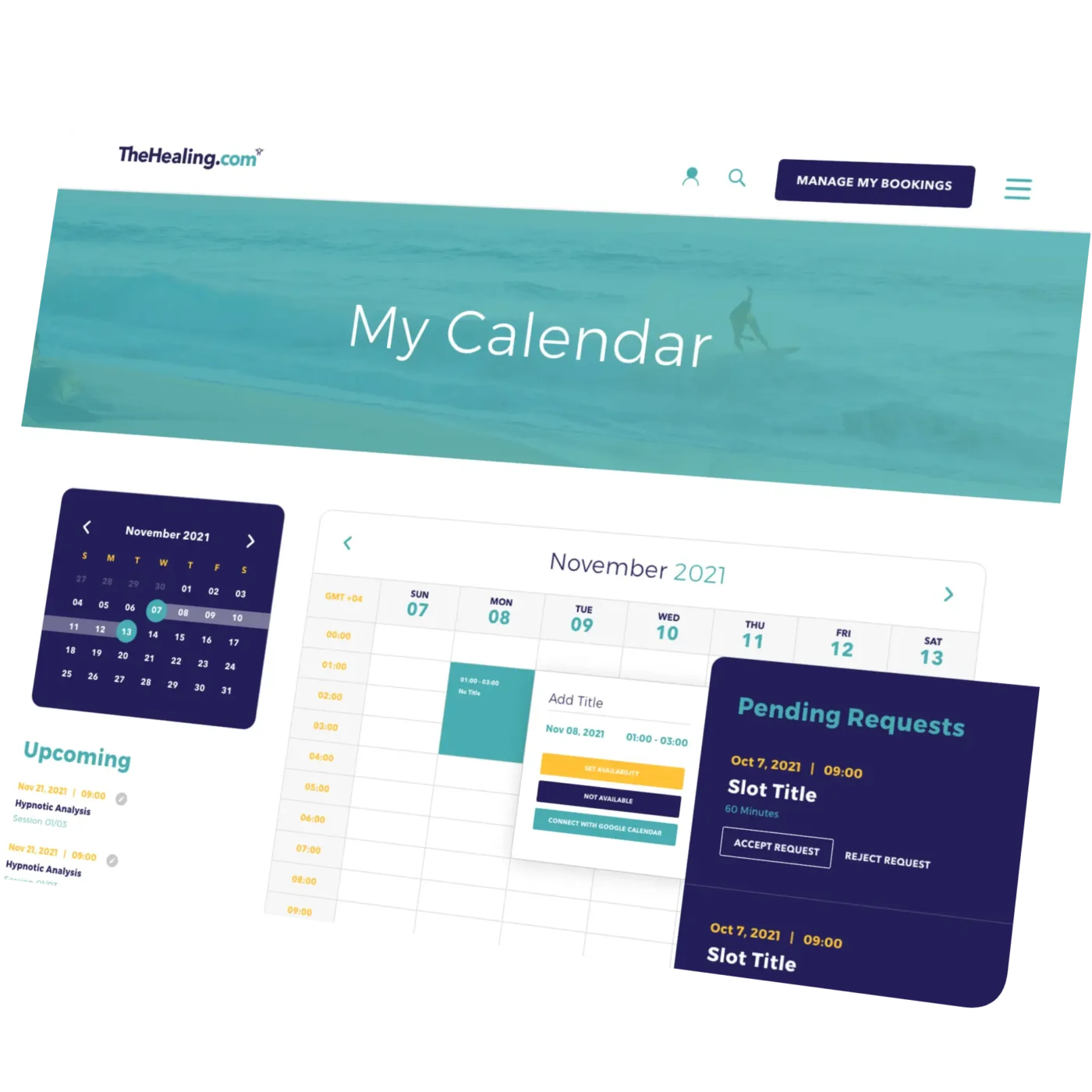
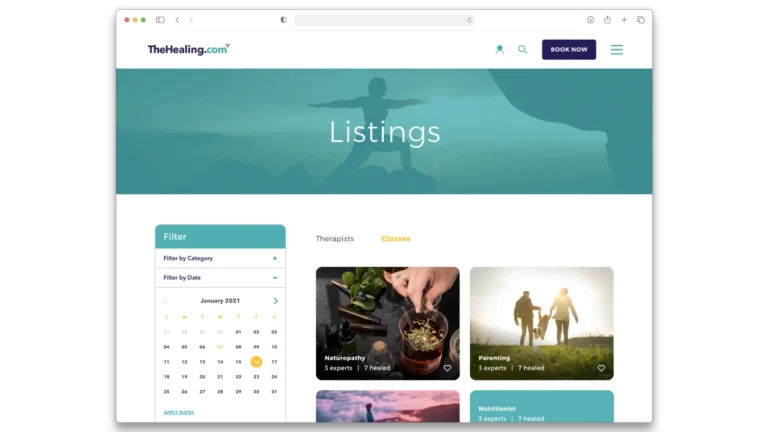
We agree on the metric before we design, then measure against it after launch. Depending on the product that might be task completion rate, drop-off in a key flow, time to finish an action, or conversion. For TheHealing, design changes cut the booking journey by 40%, which is the kind of number we design toward from the start.
Can you redesign an existing product instead of starting over?
Yes, and it’s a lot of what we do. We start by auditing your current product and its analytics to find where users struggle, then redesign the flows and screens that cost you the most. You keep what already works and fix what doesn’t, so you’re not paying to rebuild the whole thing from scratch.
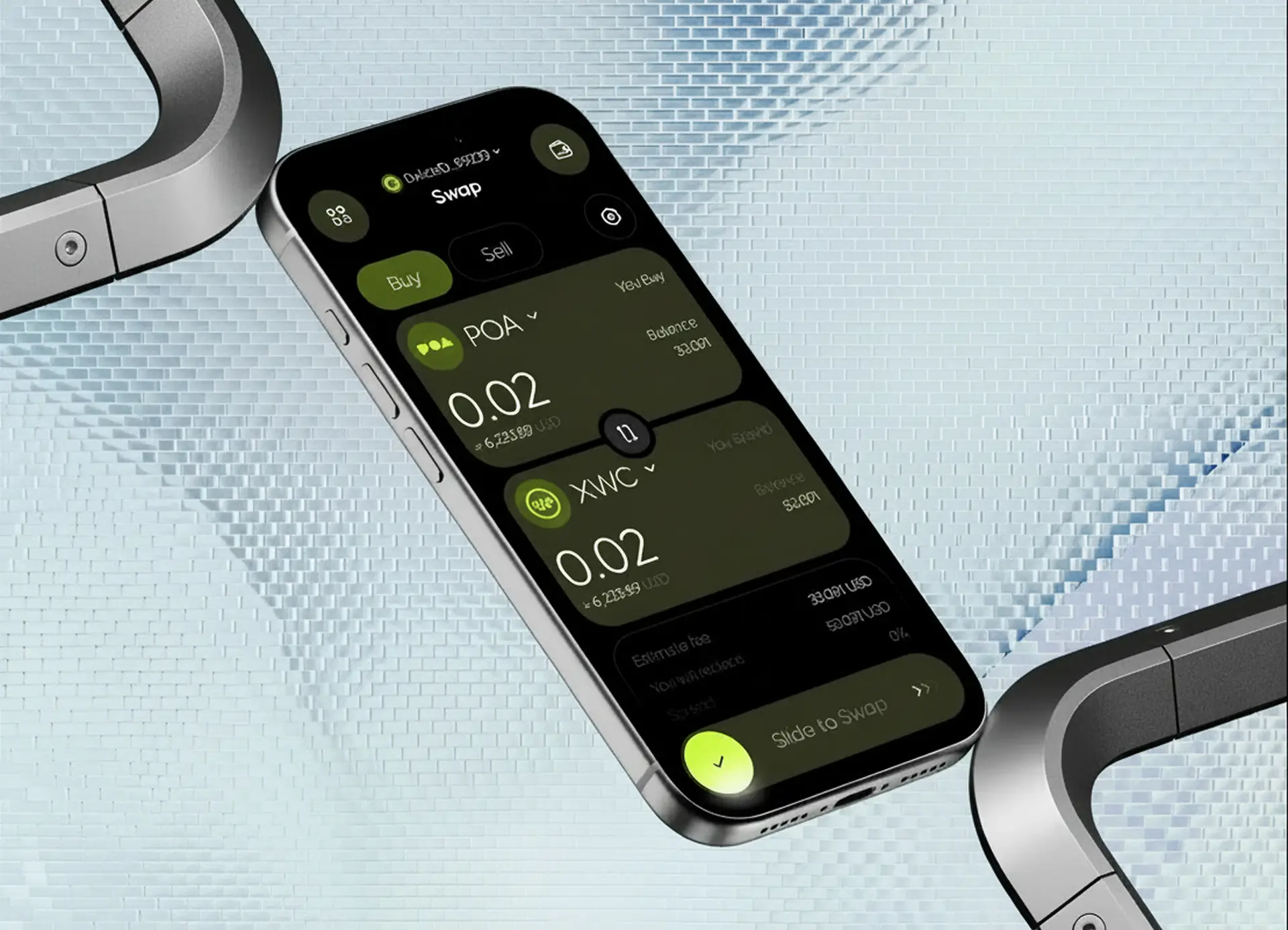



Tell us about your product and where users drop off, and we'll show you how we'd redesign it, what it would take, and the numbers to aim for.