01
Map the workflow
We sit with the people who will use the system and trace how work moves through the business today.
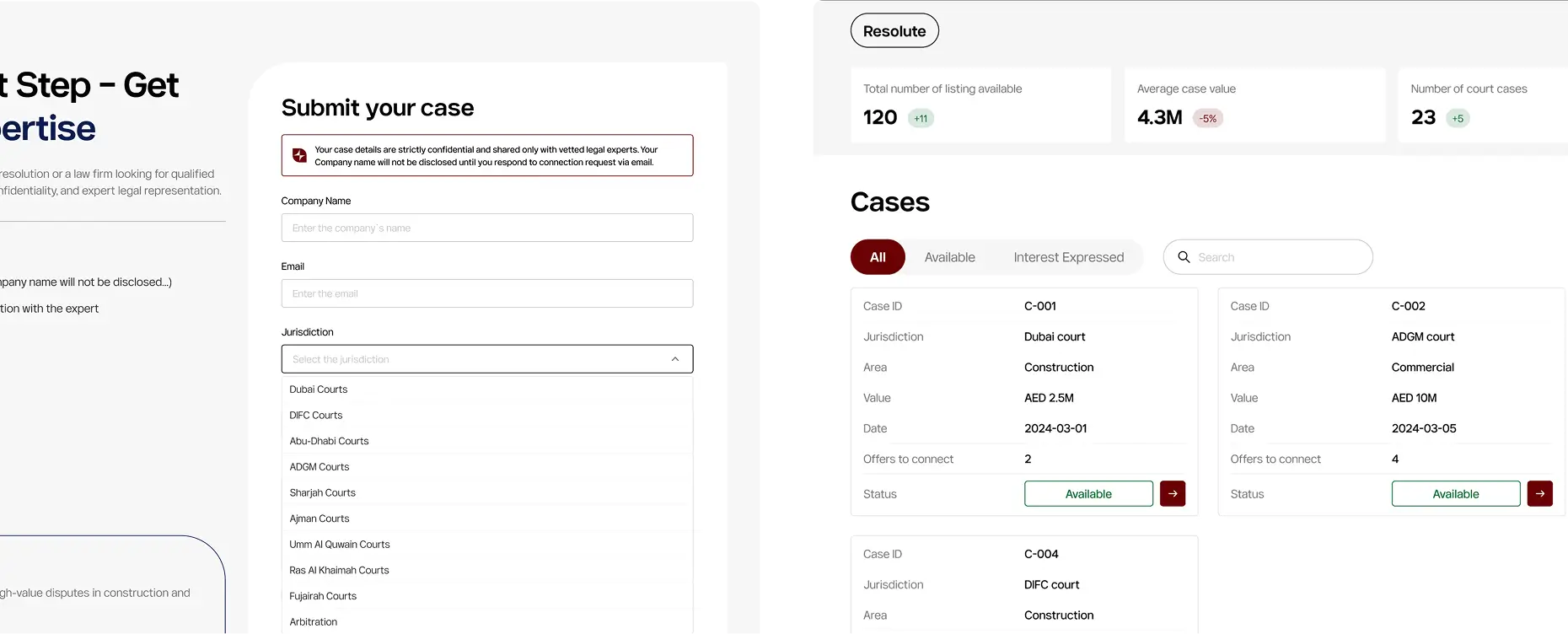
CRM Development · Dubai
Most CRMs make your team change how they work to fit the software. Deals live in spreadsheets, half your notes are stuck in someone’s inbox, and the billing tool has no idea a support ticket is even open. We build CRMs and internal platforms around your real process, then wire in the automation and integrations that kill the double data entry.




The short answer
Custom CRM development in Dubai means building the pipeline, fields and automation around the way your team already works, then connecting the email, payment and ERP systems so nobody re-keys the same record twice.
The short version
2024 / RESOLUT
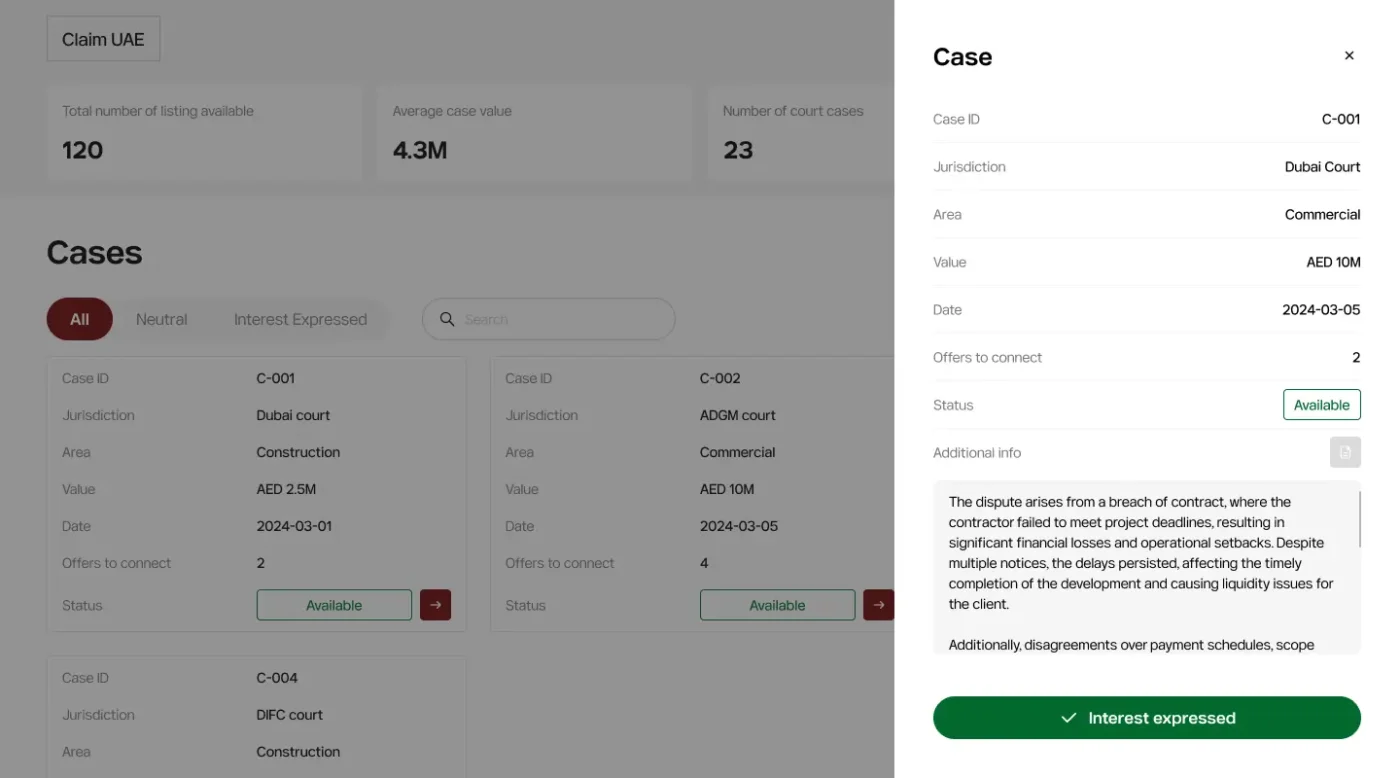
We sit with the people who will use the system and trace how work moves through your business today. That turns into the data model and the build plan, so the CRM matches your process instead of a vendor's idea of one.
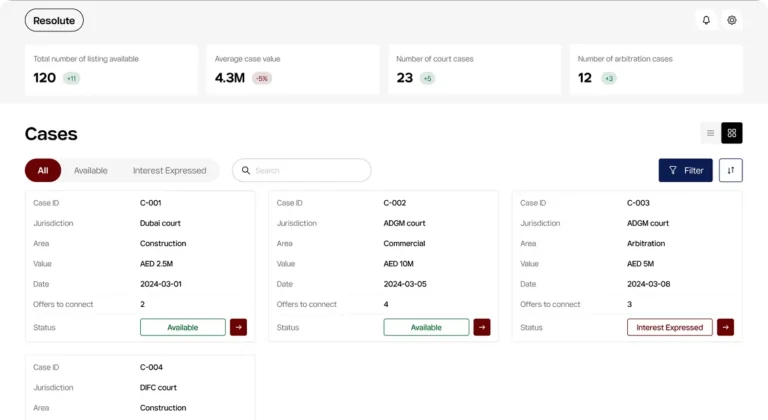
We build the system around your pipeline, your fields, and your rules, then automate the repetitive parts: follow-ups, status changes, assignments, and the reminders your team keeps forgetting to send.
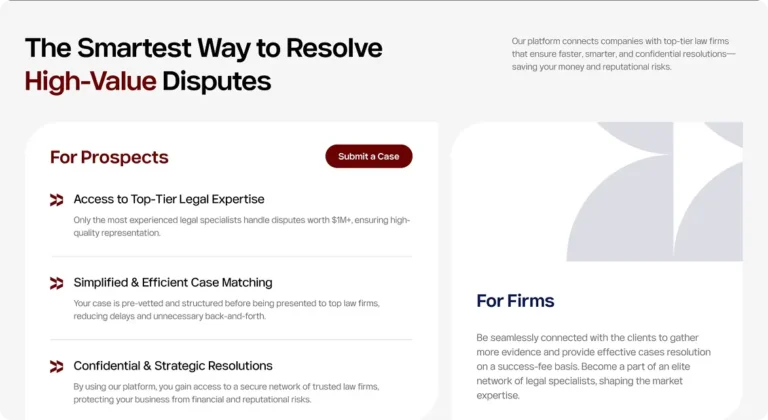
Your CRM should pull from the tools you already run. We connect email, payments, and your ERP so records stay in sync and nobody re-keys the same order into three places.
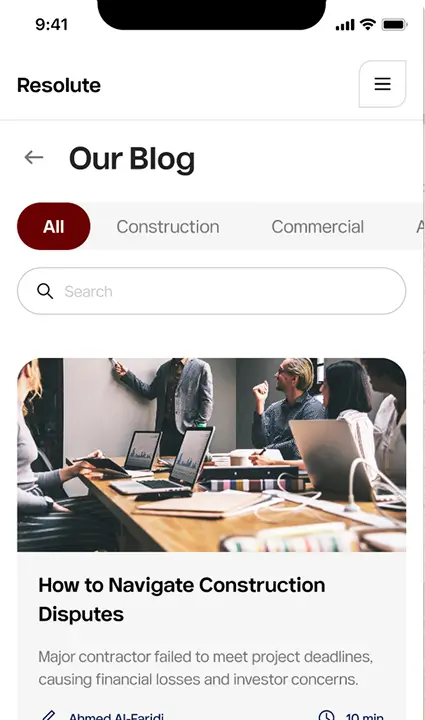
We launch a working MVP first, get it in front of real users, then add modules as the need becomes clear. You get value in the first weeks instead of waiting out a year-long build.
How we work
We sit with the people who will use the system and trace how work moves through the business today.
That map becomes the data model, the MVP scope and a fixed quote you sign off before we build.
Custom pipelines, fields and permissions, with the follow-ups and status changes automated.
Email, calendar, payments and ERP wired in, and your existing data migrated across.
The MVP goes live with your team on it, then modules get added in planned phases.
Why inneraktive
You will know it worked when your team stops building workarounds.
Pipelines, fields and rules shaped to how your business already runs.
Follow-ups, assignments and status changes handled without anyone remembering to do them.
Email, payments and ERP feeding one system, instead of five open tabs.
Source code, database and documentation, on your infrastructure, with no per-seat licence.
Working software in weeks, then modules added on a plan as real usage shows what matters.
Two-way sync so conversations land against the right record.
Gateway and invoicing integration, so revenue data stays current.
Records flow between systems without manual re-keying.
Anything with an API can feed the platform, including legacy tools.
Same brief, two very different outcomes. Here is where the approach splits.
Fit
Process
Integrations
Delivery
Ownership
Scope
How much does custom CRM development cost in Dubai?
Custom CRM development in Dubai usually runs from around AED 40,000 for a focused MVP to AED 250,000+ for a full platform with automation, integrations, and reporting. The number comes down to how many workflows you are building, which systems you need to connect, and how much of the logic is bespoke. After a short discovery call you get a fixed scope and quote, so there is no open-ended hourly billing.
How long does it take to build a custom CRM?
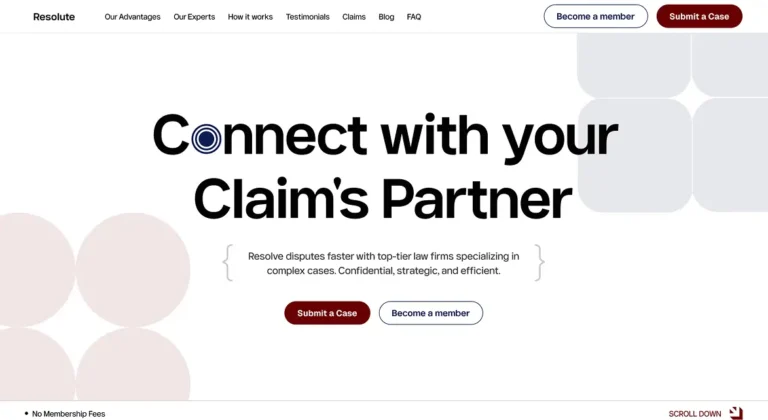
Most custom CRM builds take 6 to 16 weeks. A focused MVP can be live in about 6 weeks, which is what we shipped for Resolut, while a larger platform with several integrations runs closer to 12 to 16 weeks. We build in phases, so your team is on a working system early instead of waiting for everything to land at once.
Why build a custom CRM instead of using Salesforce, HubSpot or Zoho?
Salesforce, HubSpot, and Zoho are strong products when your process fits the way they work. The friction shows up when it doesn’t: you pay per seat forever, bend your workflow to match their fields, and still hit a wall on the custom logic you need. A custom CRM makes sense once the workarounds cost you more than the build would. We walk through that math in How Mid-Market Companies Can Calculate True ROI for Custom Software vs. Off-the-Shelf SaaS.
Can you integrate our existing tools and data?
Yes. We connect the tools you already run: email and calendar, payment gateways, and your ERP or accounting system, plus anything that exposes an API or webhook. We also migrate your existing data, whether it is sitting in spreadsheets or a legacy CRM, so you start clean with everything in one place.
Do we own the code and the data?
You own all of it. The source code, the database, and the documentation are yours, hosted on your own infrastructure or a provider you pick. There is no vendor lock-in and no per-seat licence that scales up with your headcount. If you ever want to bring the project in-house or move it to another developer, it all hands over cleanly.
How do you keep the scope from ballooning?
We start with an MVP: the smallest version that solves the core problem and gets used daily. Scope stays locked to that first release, so the budget and timeline hold. Once it is live and your team is on it, we add modules in planned phases based on what real usage shows us. That is how Resolut went from brief to a working platform in 6 weeks instead of a year-long build that drifts.


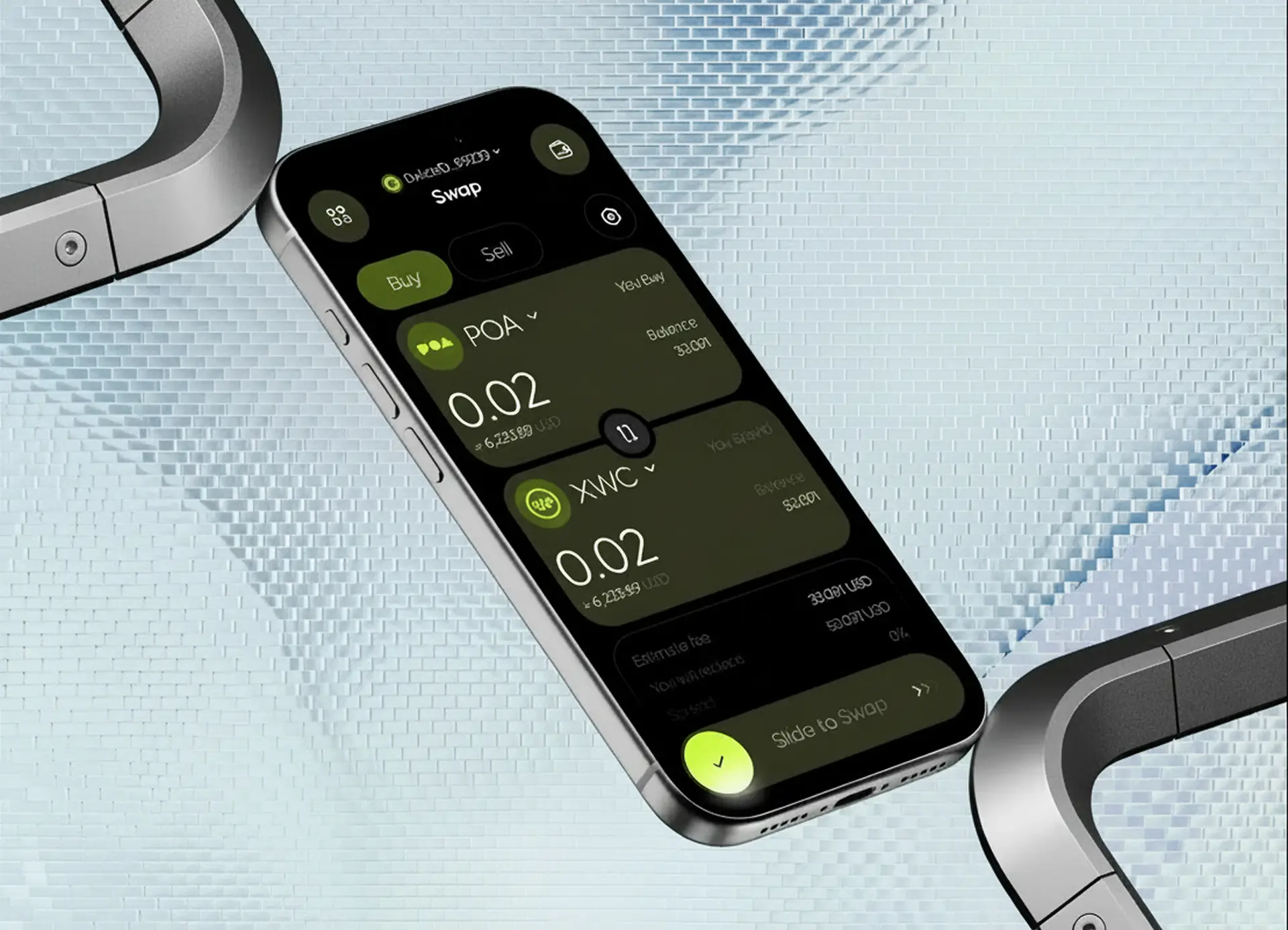

Tell us how your team works and where the manual work piles up. We'll show you what we'd build, how we'd phase it, and what the first MVP would take.