How E-commerce Web Design Impacts Sales for Dubai Businesses
- First Impressions Set the Tone for Buying Behaviour
- Navigation and Product Discovery Drive Sales
- Mobile-First Ecommerce Is No Longer Optional
- Trust Signals and Visual Credibility
- Product Pages: Where Design Meets Decision-Making
- Checkout Experience and Cart Abandonment
- Performance, Speed, and Sales Impact
- Local Expectations and Regional Nuances
- Why Strategic Ecommerce Design Outperforms Templates
- Conclusion
E-commerce in Dubai has moved far beyond basic online storefronts. With a digitally mature population, high smartphone penetration, and strong purchasing power, users in the UAE expect ecommerce experiences that are fast, intuitive, and reliable. In this environment, sales are no longer driven by price or product range alone — they are strongly influenced by how users experience a website from the moment they land on it.
E-commerce web design plays a direct role in shaping buying decisions. From navigation and page speed to trust signals and checkout flow, every design choice affects whether users complete a purchase or abandon the journey. For Dubai businesses operating in competitive sectors such as retail, fashion, electronics, food, and lifestyle services, optimising e-commerce design is a critical revenue lever.
First Impressions Set the Tone for Buying Behaviour
Users typically form an impression of an e-commerce website within seconds. In Dubai, where customers are exposed to global brands and premium digital experiences daily, tolerance for poor design is low.
An effective e-commerce design immediately communicates:
- What the brand sells
- Who the products are for
- Why the brand is credible
- How easy it is to shop
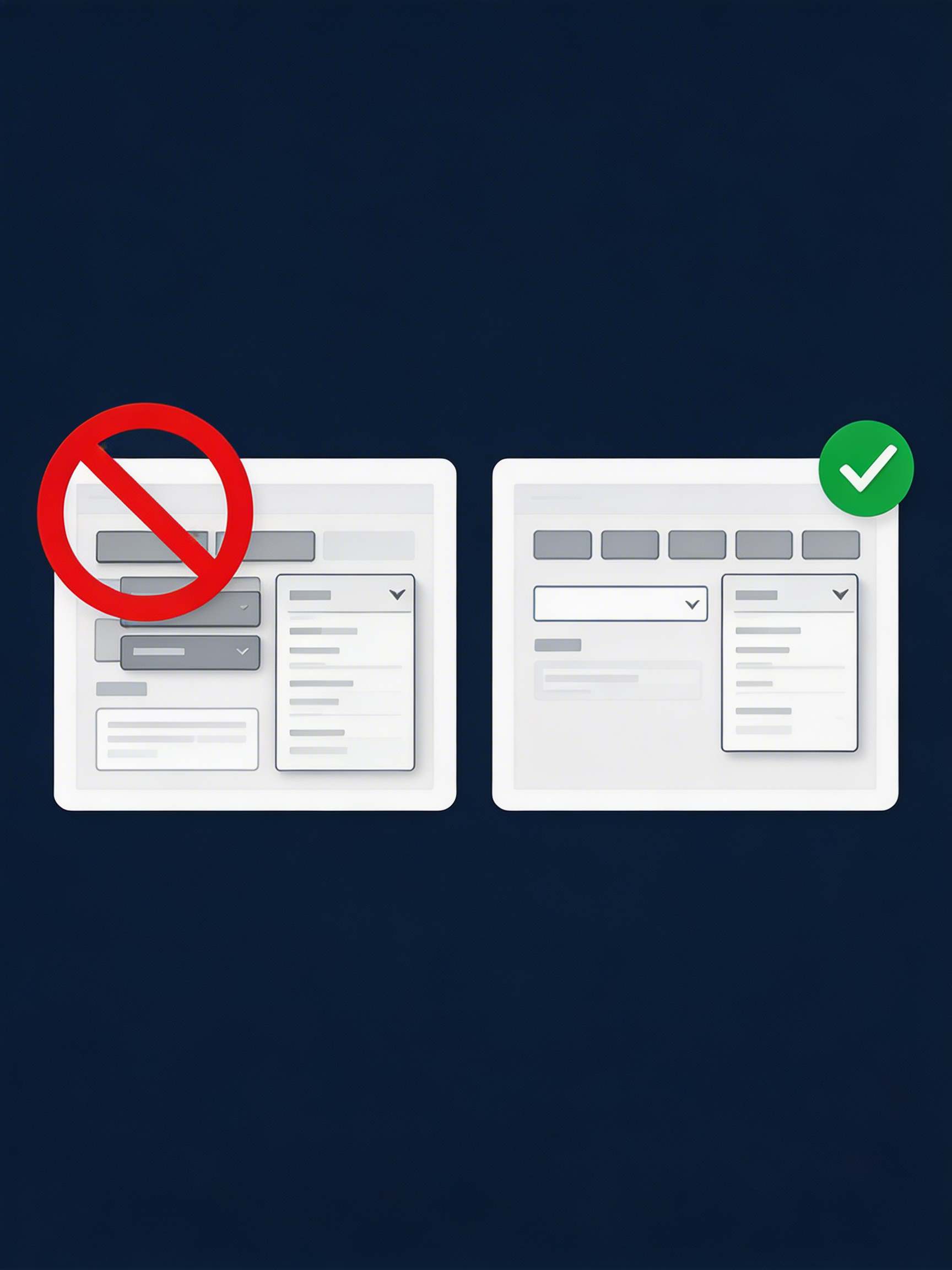
Clean layouts, clear product categorisation, strong visual hierarchy, and professional aesthetics help build trust early. When a site feels cluttered, slow, or confusing, users often leave before exploring products, regardless of how good the offering may be.
Navigation and Product Discovery Drive Sales
One of the biggest factors influencing e-commerce performance is how easily users can find what they’re looking for. Poor navigation and weak product discovery are common reasons for low conversion rates.
Well-designed ecommerce websites prioritise:
- Logical category structure
- Clear menus that work across devices
- Effective filters and sorting options
- Predictable navigation patterns
- Strong internal linking between related products
In Dubai’s fast-paced lifestyle, users value speed and convenience. If it takes too much effort to browse or compare products, they are more likely to switch to a competitor with a smoother experience.
Mobile-First Ecommerce Is No Longer Optional
Mobile commerce plays a dominant role in the UAE, with many users completing purchases entirely on their phones. E-commerce web design that prioritises desktop at the expense of mobile directly impacts sales.
Mobile-first ecommerce design focuses on:
- Fast load times on mobile networks
- Touch-friendly buttons and controls
- Simplified navigation and menus
- Clear product imagery that scales well
- Easy-to-complete forms and checkouts
A mobile experience that feels cramped, slow, or difficult to use leads to abandoned carts and lost revenue. Strong mobile UX, on the other hand, increases engagement and repeat purchases.
Trust Signals and Visual Credibility
Trust is a major factor in e-commerce conversion, especially for first-time buyers. Users in Dubai are cautious when sharing payment details and expect clear signs of credibility before committing.
E-commerce web design helps build trust through:
- Consistent branding and professional visuals
- Clear pricing and transparent policies
- Visible customer reviews and ratings
- Secure payment indicators
- Familiar payment options and checkout flows
When trust signals are integrated naturally into the design, users feel more confident completing purchases without hesitation.
Product Pages: Where Design Meets Decision-Making
Product pages are where most buying decisions are made. Poorly designed product pages can undermine even the strongest marketing efforts.
High-performing ecommerce product pages focus on:
- Clear, high-quality product imagery
- Concise but informative descriptions
- Obvious pricing and availability
- Easy-to-find calls-to-action
- Supporting information, such as delivery details and returns
Design plays a key role in guiding attention, reducing doubt, and helping users move confidently toward purchase.
Checkout Experience and Cart Abandonment
The checkout process is often where e-commerce sales are won or lost. Complex, confusing, or lengthy checkout flows are a leading cause of cart abandonment.
Effective e-commerce web design reduces friction by:
- Minimising the number of checkout steps
- Offering guest checkout options
- Clearly displaying costs and delivery timelines
- Supporting preferred local payment methods
- Providing visual feedback and progress indicators
In Dubai, where users expect efficiency, a streamlined checkout experience can significantly improve conversion rates.
Performance, Speed, and Sales Impact
Page speed has a direct impact on e-commerce sales. Even small delays can reduce conversions, particularly on mobile devices.
Well-designed ecommerce websites prioritise:
- Optimised images and assets
- Efficient code and hosting
- Fast page transitions
- Smooth interactions without lag
Search engines also reward faster sites, meaning performance-focused design supports both SEO and sales growth.
Local Expectations and Regional Nuances
Dubai’s ecommerce audience is diverse and multilingual. Successful e-commerce web design must account for regional expectations without overcomplicating the experience.
This includes:
- Clear language options where needed
- Support for regional payment methods
- Culturally neutral or inclusive visuals
- Familiar UX patterns aligned with regional habits
Design that ignores local context often feels disconnected, reducing trust and engagement.
Why Strategic Ecommerce Design Outperforms Templates
While templates and off-the-shelf ecommerce solutions can be quick to launch, they rarely deliver optimal sales performance in competitive markets. Generic layouts are not designed around specific user behaviour or business goals.
Strategic ecommerce web design focuses on:
- User intent and buying psychology
- Business-specific conversion paths
- Scalable design systems
- Continuous optimisation based on data
For Dubai businesses aiming to grow revenue consistently, tailored ecommerce design offers a clear advantage over one-size-fits-all solutions.
Conclusion
E-commerce web design directly influences how users perceive a brand, interact with products, and ultimately decide whether to buy. In Dubai’s competitive digital landscape, sales are driven by experiences that are fast, intuitive, trustworthy, and mobile-first. Businesses that invest in thoughtful ecommerce design not only increase conversions but also build long-term customer loyalty.
If you’re looking to improve e-commerce performance and create a shopping experience that supports real sales growth, Inneraktive helps Dubai businesses design and build e-commerce platforms that balance usability, performance, and conversion strategy. Get in touch with Inneraktive to turn your e-commerce website into a powerful sales engine.
Not sure where to start?
Like what you see?
Take a look at our case studies and other projects we’ve done at Inneraktive
Book your MVP call